Many small businesses still keep their books in spreadsheets, or hand over a box of papers once a year. That works until you need a quick answer: How much cash do we really have? Can we afford a new hire? Are we ready for a bank loan?
What changes with cloud accounting
- Bank feeds. Transactions flow in automatically from South African banks every day, so nothing has to be typed in.
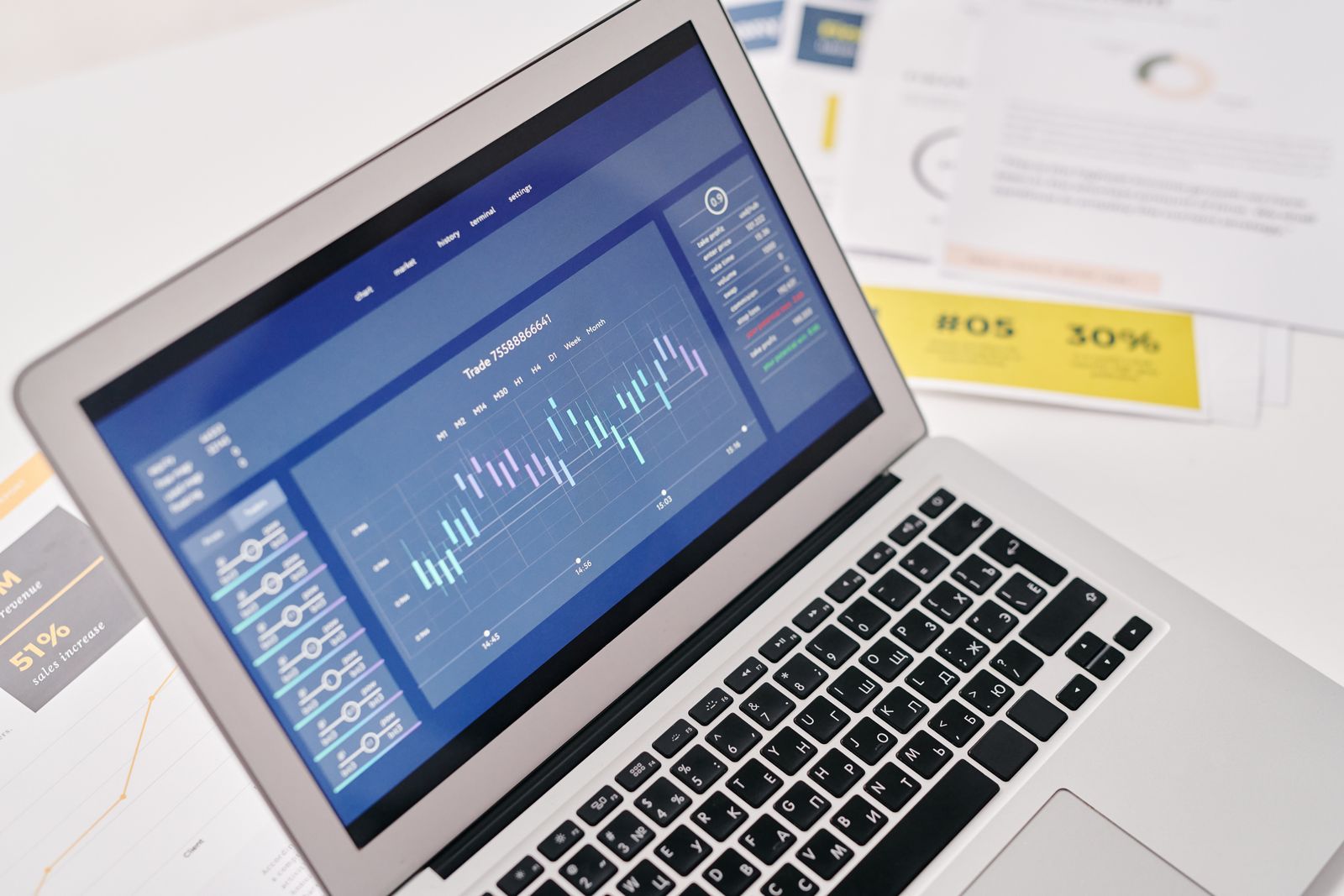
- Real-time reporting. Profit and loss, cash flow and debtors are available whenever you log in.
- Easier VAT. VAT reports are produced from the same data, which reduces errors on your VAT 201.
- Paperless receipts. Snap a photo of a slip on your phone and it attaches to the transaction.
- Invoicing and payments. Send professional invoices and see when customers have paid.
- Collaboration. You and your accountant work in the same file. No more emailing spreadsheets.
Is it secure?
Leading cloud platforms use bank-grade encryption and multi-factor authentication. Combined with good access controls, this is usually more secure than files on a single laptop. It also helps you meet your POPIA security obligations.
Making the move
A good migration brings across your opening balances, customers, suppliers and chart of accounts, and connects your bank feeds. Your team is then trained to use the system. Moving at the start of a financial year or VAT period keeps things clean.

This article is general information based on the law and SARS guidance as at 24 June 2026. It is not tax or legal advice for your specific situation. Please contact us before acting on it.